Patient and Public Involvement and Engagement (PPIE)

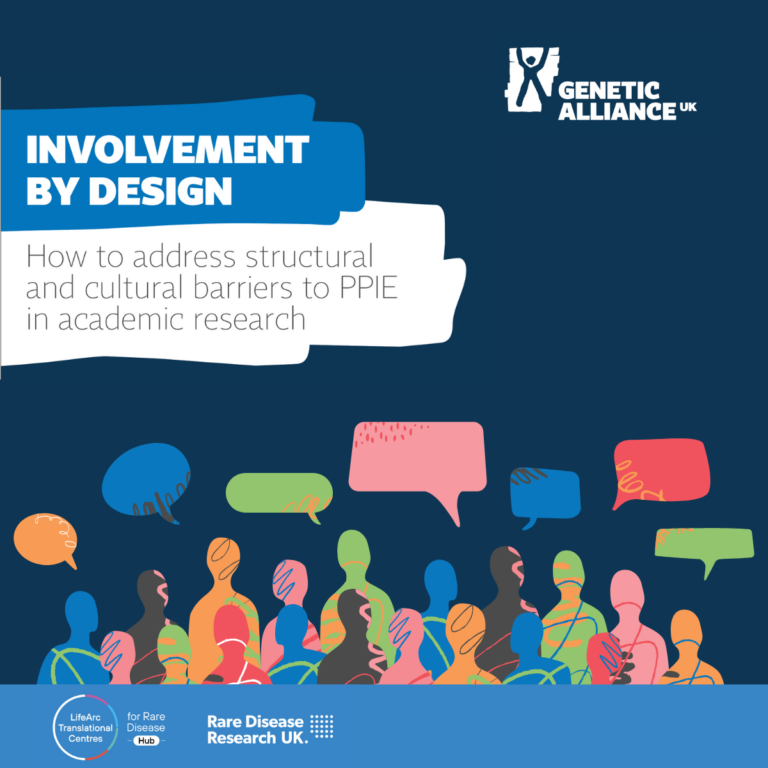
Patient and public involvement and engagement (PPIE) encompasses both involving people with relevant lived experience as partners and advisors in research, and engaging wider audiences with scientific progress. 
Working in partnership with Genetic Alliance UK, the RDR UK Hub team will support Platform members in delivering patient and Public Involvement and Engagement through sharing best practice, offering guidance and promoting the work of the Platform through organisations supporting patients living with a rare disease.
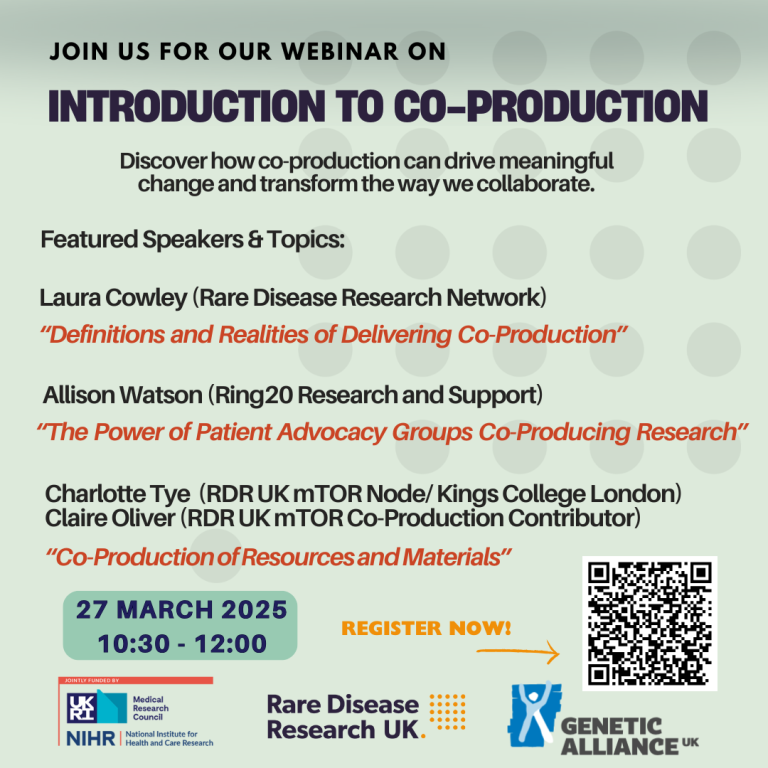
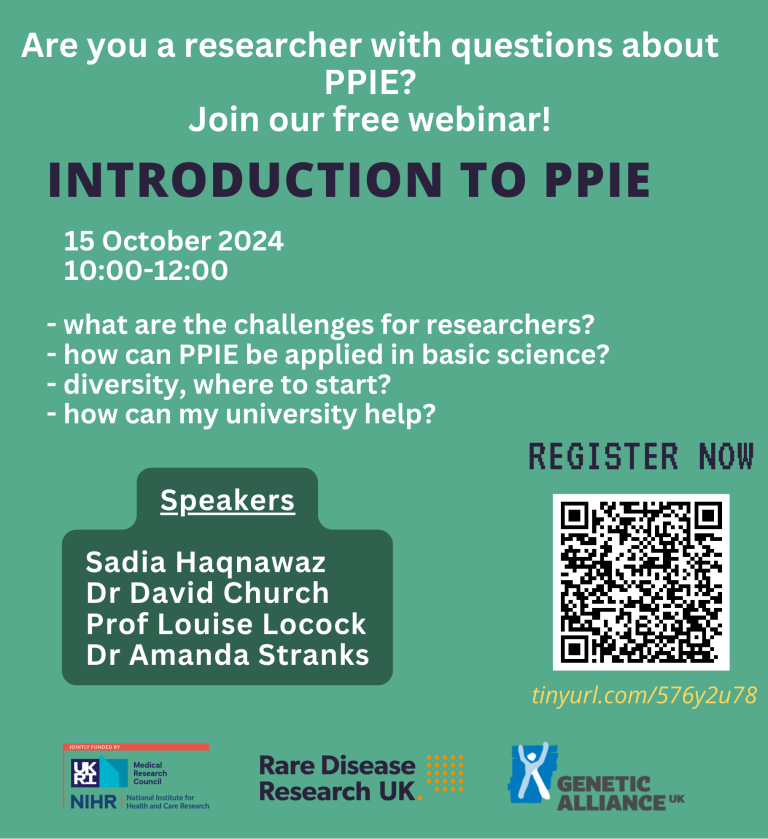
We will be delivering webinars and workshops for researchers, supporting our Nodes with planning for PPIE activities, and disseminating learnings across the rare disease research community.

Early Career Researcher Award in PPIE

Patient voice

Hear from The Bingham Family

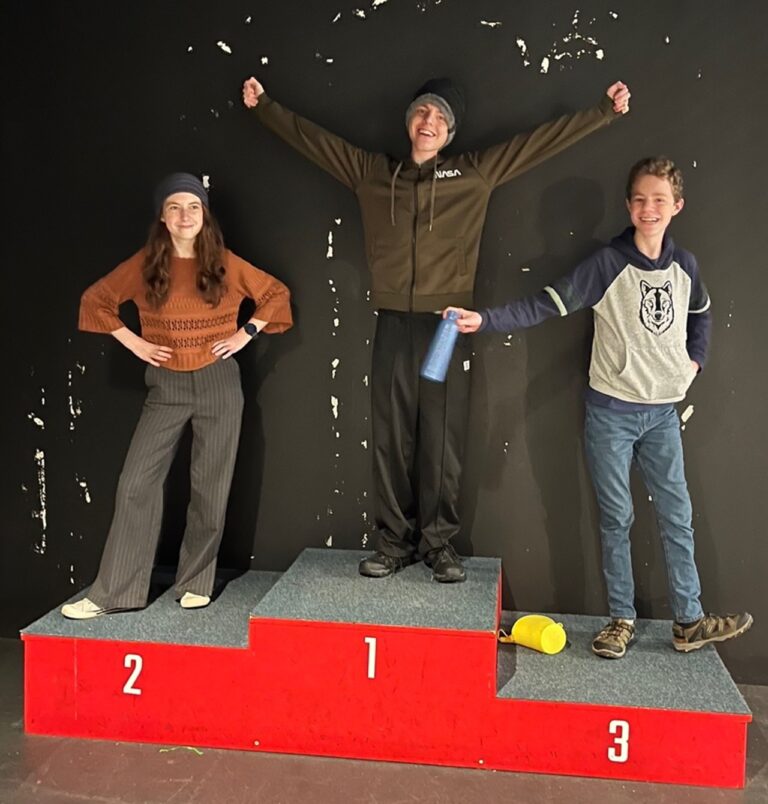
Noah (aged 24 years), Ariel (aged 20 years) and Casper (aged 16 years) are siblings from Hexham, Northumberland, UK. Their kidney journey began in 2016 when Ariel, then 11 years old, was discovered to have reduced kidney function. Over the course of the next few years this was monitored and her function gradually declined, but the family received no official diagnosis until 2019, when Noah, then 19, crash landed unexpectedly with kidney failure.
Ariel, Noah and Casper
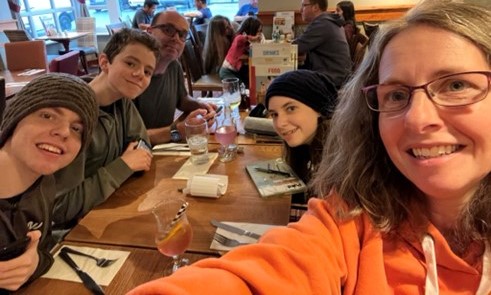
The Bingham family - Noah, Casper, Darryl, Ariel and Sarah
His DNA sample was then added to the Genomics England 100,000 Genomes Rare Diseases Project, where Ariel’s DNA samples had been sent, along with her parents, three years before.
This, in time, enabled the family to receive a precise molecular genetic diagnosis – a homozygous deletion of the NPHP1 gene indicating a condition called nephronophthisis. Casper’s DNA analysis also showed the same condition, meaning all 3 siblings had inherited this rare kidney disorder which typically leads to kidney failure in teenage years.
Noah was treated with dialysis, including both haemodialysis and peritoneal dialysis.
Ariel’s kidney function declined further and led also to her requiring haemodialysis. Ariel received a live kidney transplant from her mother in June 2022, and 3 months later, Noah also received a live altruistic donor kidney.
Kidney transplants are life saving, but the kidney transplant journey was not straightforward. Immediately after transplant Ariel experienced kidney rejection and this effected the long-term function of the transplanted kidney.
Noah’s journey was also tough. After his kidney transplant, he experienced several episodes of kidney rejection and this resulting in the kidney failing and he restarted haemodialysis in February 2024, less than 2 years after his transplant surgery. Despite this, he gained a place at University and began a course in animation in September 2024.  He fits in his haemodialysis around his studies.
Casper is currently being monitored regularly by the paediatric nephrology team. He currently has about 20% function. We know that he will need a kidney transplant sometime soon, and his father is planning to donate a kidney via the kidney organ sharing scheme when the time comes. Because Noah and Ariel’s kidney transplants haven’t been straightforward there is a certain level of anxiety over Casper having a transplant, and Noah going through it again. As a family they have asked the question whether it is something related to their particular condition that has meant the kidneys haven’t done as well as they should have. This is an important area for future research.
On a positive note, the family have taken part in the British Transplant Games each year since the kidney transplant, and in 2024 Ariel won a gold medal in archery! They plan to compete again this summer in Oxford.
They all remain hopeful that future research will help provide answers, that eventually they may all receive kidney transplants that have greater longevity and give them confidence in their future health and wellbeing.
Hear from Lynn Laidlaw, Patient contributor and researcher

A four year diagnostic odyssey before being diagnosed with a rare auto immune disease prompted my interest in Patient and Public Involvement (PPI) in research, so I was chuffed to be invited to become a panel member for a session discussing PPI at the recent Rare Disease Research UK Conference in Newcastle.
I have had the privilege of working with multiple academics, institutions and organisations, as well as co-producing research and working as a patient/peer researcher. In the session I highlighted that, for me, PPI is built on developing trusting relationships, having honest conversations and meaningful collaboration. It’s as much as state of “being”, working in a values and principles led way, as “doing”- the methods used to involve people. There is emotional labour involved for both researchers and public contributors and it can impact on people’s identity. We become involved because of our lived experience, our aim is to help the research process to ensure research meets people’s needs.  If the people involved in research didn’t feel that their unique experiences and expertise could help researchers they wouldn’t waste their time as research is too important. PPI can’t thrive without reflexivity, that is understanding how our life experiences, assumptions, biases and values can impact on the way we work together. It requires us to embrace “productive tensions” and have an understanding of how academic culture and power imbalances can impact on the way we work together in partnership.
I have embraced the joys and challenges of PPI because fundamentally research is hope to people like me who live with rare, poorly understood and treated diseases.

PPIE resources for researchers

To help researchers establish good involvement practices we have collected a shortlist of resources. These resources are from established UK organisations and have been selected to provide variety in terms of the target audience, the scope of the resource and the format.

Contact us

To get in touch please complete the contact form or email the Hub team at the address below.

Click here to find out how we use your personal data

General enquiries

Join Our Community

Network enquiries

Email:
enquiries@rd-research.org.uk

Telephone: 01793 416200

Industry enquiries

Email:
enquiries@rd-research.org.uk

Telephone: 01793 416200

Academic enquiries

Email:
enquiries@rd-research.org.uk

Telephone: 01793 416200