

Sarah clarke
cystic fibrosis trust
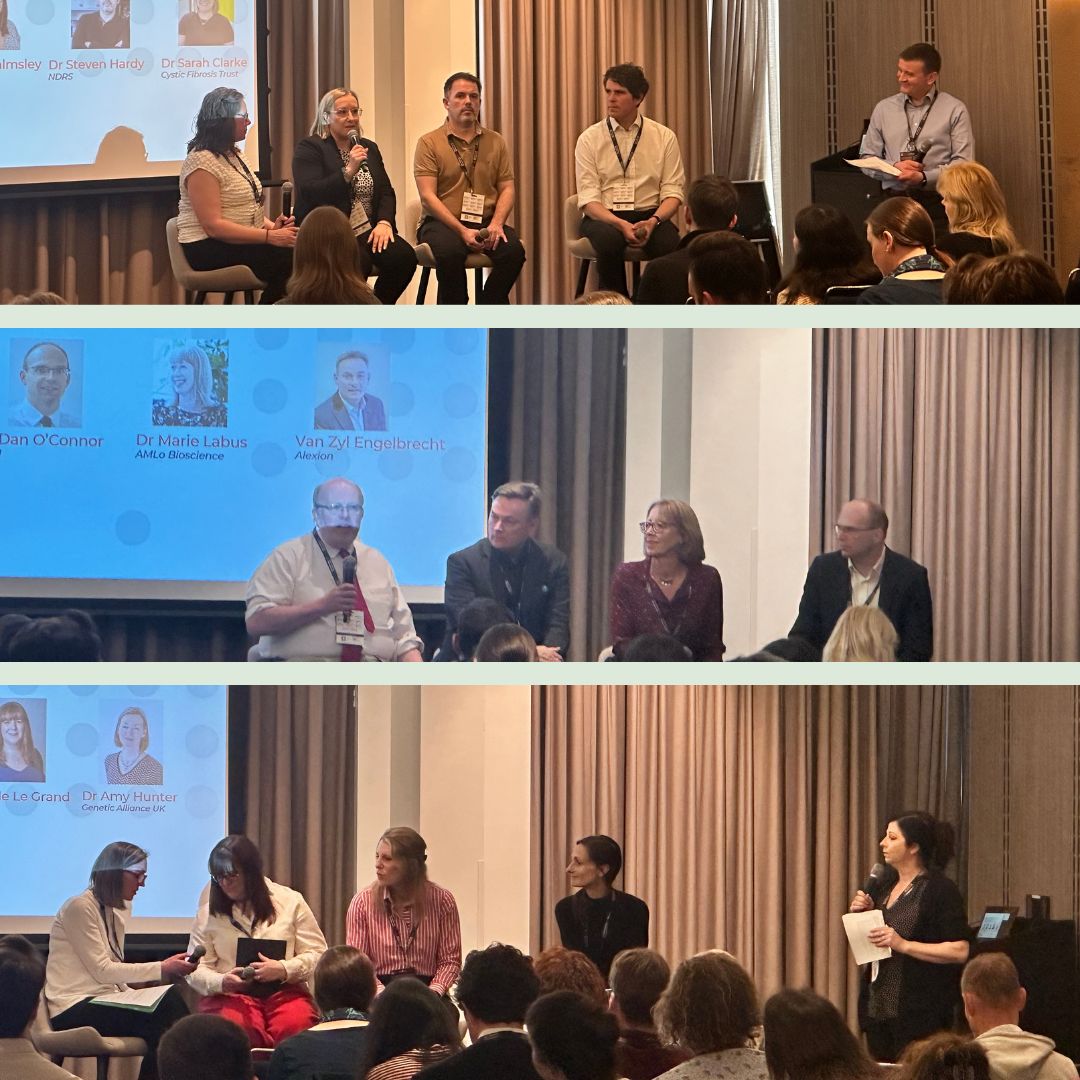
Sarah joined Cystic Fibrosis Trust in February 2020 and leads the UK CF Registry. The UK CF Registry has been sponsored and hosted by Cystic Fibrosis Trust since 2007 and over 11,000 people consent to sharing their health data with the Registry. Sarah is the UK CF Registry Data Controller and Caldicott Guardian. Prior to joining the Trust, Sarah worked in clinical research, leading the R&D department in an acute NHS Trust in the south of England and worked for the National Institute for Health and Care Research Clinical Research Network. Sarah has also worked within pharmacovigilance and pharmacoepidemiology, managing a large observational post authorisation safety study. Sarah began her research career with a Cystic Fibrosis Trust-funded PhD, investigating novel neutrophil elastase inhibitors in the treatment of airway inflammation in CF.

steven hardy
national disease registration service (NDRS)
Dr Steven Hardy is Assistant Director, Genomics and Rare Disease, at the National Disease Registration Service (NDRS) in NHS England. He and his colleagues play a crucial role in the collection, curation and analysis of high-quality data to drive innovation in national rare disease registration; these data can then be used to improve understanding, enhance care and support evidence-based policy and service planning for rare diseases. Prior to joining NDRS, Steven was registered with the Health and Care Professions Council (HCPC) as a Clinical Scientist, specialising in Molecular Genetics, and has a wealth of experience in the development and delivery of genomic diagnostic services for both rare disease and cancer. Steven has a PhD in Molecular Biology and is a Fellow of the Royal College of Pathologists.

victoria hedley
newcastle university
Victoria is a Rare Disease Policy Manager at Newcastle University and a co-lead and founder of the Newcastle Centre for Rare Disease. She has played an active role in the generation of rare disease (RD) policies and policy-related outputs for over a decade, especially in the European ecosystem: she worked closely with the European Commission under two European Joint Actions, to support the conception, implementation and evolution of 24 European Reference Networks; she led the knowledge-based activities of the Rare 2030 foresight project; and she contributed to the development of disease-agnostic EU-level recommendations on topics such as National Plans and Strategies, the Incorporation of RD into Social Services and Policies, and Patient Registration and data collection. She established and currently coordinates the RD-IMAG (UK-International Mirror & Action Group for RD Research) and is a co-lead for the new Rare Disease Research UK Hub. Victoria received the EURORDIS European Rare Disease Leadership Award in 2021.

laura cowley
patient led research hub
Laura completed a research MSc in neurology at the University of Waterloo, Canada before moving to the UK in 2015. She joined the Patient Led Research Hub (PLRH) as Research Lead in 2016, and has enjoyed the diversity of the role ever since. The PLRH aims to turn research on its head by working with patient groups to develop and deliver their own research ideas.

martine walmsley
psc support
Martine Walmsley, a PSC patient herself, is Head of Research Strategy at PSC Support, a patient organisation for people with a rare liver disease called PSC. As well as setting up the PSC Support research funding programme, Martine has a wealth of experience over 18 years supporting PSC research, facilitating PPIE and advocating for improved healthcare for the PSC community. She is a member of the RDR UK Platform Advisory Group and Co-Lead of the ERN RARE-LIVER PSC Working Group.

Matthew baker
Leeds Teaching Hospitals NHS Trust
Matt is an NHS IT Project Manager and a Rare Disease (long sleep disorder) advocate. Previously, he's co-authored the new Optimal Sleep Pathway to improve the delivery of sleep services across the UK. Currently, Matt is working with the PLRH at Addenbrookes on a clinical trial for a repurposed medication to address an unmet need in Idiopathic Hypersomnia.

dan o'connor
abpi
Dan O'Connor is medically and PhD qualified and currently the Director Regulatory and Early Access Policy at The Association of the British Pharmaceutical Industry (ABPI). He joined the ABPI from the Medicines and Healthcare products Regulatory Agency in 2023. At the MHRA he was Deputy Director of the Innovation Accelerator and Regulatory Science. Dan has special interests in drug development, rare diseases, regulatory science, health innovation, patient engagement and drug repurposing. He completed higher medical training in Pharmaceutical Medicine. He is Editor-Author of the Oxford Specialist Handbook in Pharmaceutical Medicine.

amy hunter
genetic alliance
Dr Amy Hunter is the Director of Research at Genetic Alliance UK. Her role is to ensure that they are active in relevant research that shines a light on the experiences of people affected by genetic and rare conditions. She works closely with the policy team to ensure that they identify policy implications that arise from their research. Genetic Alliance UK carries out in-house studies and collaborates with university researchers and clinicians, and facilitates patient involvement with academic research. Her role with RDRUK is to support the hub and promote good practice in patient and public involvement and engagement.
marie labus
amlo bioscience
Marie has a PhD in Molecular Biology/Immunology and has over 20 years of business experience including creating and managing spin out companies. Previously she successfully developed a vaccine for farmed fish, taking it from concept, through field trials, and regulatory approval by the Veterinary Medicine Directorate. She is now the CEO AMLo Biosciences, a female founded, and female led diagnostic company based in Newcastle upon Tyne. She remains research active and drives the commericalisation pathway for AMLo’s product pipeline of prognostic and diagnostic products. She has raised over £8 million in equity funding for AMLo since 2018 from a mixture of VCs, business angels and family offices.

jillian hastings ward mbe
patient advocate
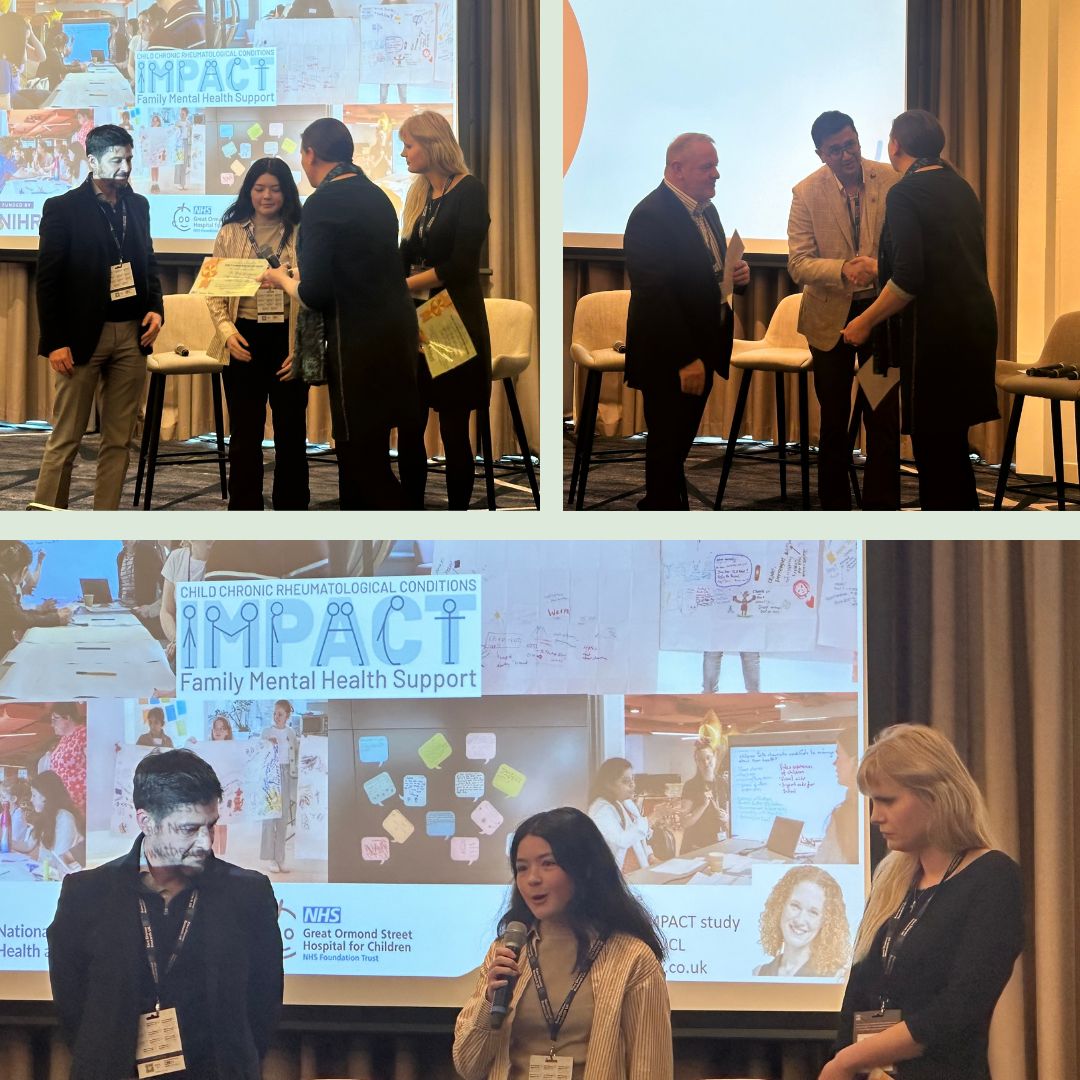
Jillian Hastings Ward MBE is a highly experienced patient advocate and conference speaker. She loves helping researchers to connect and collaborate with the patients and families who stand to benefit from their research. She is the chair of the judging panel for the inaugural RDR UK Early Career Researcher Award for Patient and Public Involvement and Engagement (PPIE). Jillian’s son was the first person to be diagnosed in the UK with a GRIN1 gene disorder (in 2017). This has enabled other families to find similar diagnoses, and there are currently thought to be around 65 families in the UK affected by GRI gene disorders (GRIA, GRID, GRIK and GRIN genes). She is a founding Board member of GRI-UK [www.gri-uk.org], a charity which supports families with these GRI gene disorders and the researchers who are seeking to understand them better. Jillian was recognised in the King’s Birthday Honours (2024) for her service to patients and research participants in UK genomics, after 7 years as the Chair of the Participant Panel at Genomics England and numerous related endeavours. These included representing patient interests on the UK National Genomics Board, and helping to establish and develop a Forum for patient representatives to advise the senior leadership of NHS England’s Genomics Unit, as well as speaking to audiences of researchers, clinicians and policy-makers at conferences around the world. She co-authored Helix of Love, a book of poetry based on lived experiences of parenting children with rare genetic disorders, which was published by the Wellcome Trust in 2023.

Dave Jones obe
Newcastle University
Professor Jones is Professor of Liver Immunology at Newcastle University and PI for the UK-PBC Research Consortium. He leads the internationally renowned autoimmune liver disease clinical service in Newcastle, hosted by the Newcastle upon Tyne Hospitals Foundation Trust (NUTH). He has worked in the area of the autoimmune liver disease Primary Biliary Cholangitis (PBC) for over 25 years, starting as an MRC Clinical Research and Clinician Scientist Fellow. Working initially on the underpinning biology of the disease he has translated key mechanistic discoveries into new approaches to therapy. The UK-PBC MRC Stratified Medicine programme, which he led, has revolutionised thinking in the disease, defining the unmet need, developing the clinical tools needed to quantify risk and identifying the patient groups who need enhanced therapy in PBC. He has led the evaluation, approval and implementation programmes for the first stratified therapy in PBC (and indeed any rare liver disease), Obeticholic Acid, which is now available across the NHS. He was also the Coordinator for the RARE-LIVER European Reference Network (ERN) which was established to support the development of clinical delivery programmes for rare liver disease (PBC is a rare disease) across Europe. In addition to his clinical and research work he as a long interest in training and is the NIHR Dean for Faculty Trainees. He has played a key role in the development of new integrated academic pathways which will play a key role in developing the next generation of researchers in the area of Stratified Medicine and its underpinning technologies. He is an NIHR Senior Investigator and in June 2018 was awarded an OBE for his services to Liver Medicine and Clinical Academic Training. Dave leads the co-ordinating Hub for Rare Disease Research UK, which provides cohesion and support to the platform and its collaborators in bringing a meaningful impact to the rare disease community.

nicole le grand
lifearc
Nicole is an Alliance Manager - Rare Disease within the Alliance Management Team at LifeArc. The team works to maximise the value and impact of LifeArc’s partnerships, managing strong, stable, mutually beneficial alliances that accelerate LifeArc’s strategy all with the goal of ensuring LifeArc’s position as a trusted partner of choice. Nicole’s remit is to support the strategic alliances within LifeArc's Rare Disease Translational Challenge through relationship management, alliance governance, as well as monitoring and reporting on alliances. Her portfolio currently focuses on the LifeArc Translational Centres for Rare Disease, a £40 million investment by LifeArc for four Centres and associated activities to transform rare disease research into solutions for people living with a rare disease. She has previously held roles in business partnerships management and strategic programme management within the Medical Sciences Division at the University of Oxford. Her scientific background is in neuroscience and cellular and molecular medicine, and her PhD and postdoctoral research focused on different aspects of Parkinson's disease.

anna halstead
Newcastle university
Anna is a Senior Project Manager at Newcastle University, managing the Rare Disease Research UK Hub. She works with the Hub team to coordinate RDR UK’s activities, driving collaboration across the platform and beyond. She has several years’ experience in project management in various fields, including in medical research, and prior to joining the RDRUK Hub, she managed the NIHR-funded Newcastle In-vitro Diagnostic Co-operative. Before being taken in the direction of project management, Anna studied languages and has a BA in Spanish, Portuguese and Latin American Studies.

neil watson
Newcastle upon tyne nhs foundation trust
Professor Watson is the Director of Innovation at The Newcastle upon Tyne Hospitals NHS Foundation Trust, a post that he moved in to in October 2024, following many years of developing innovative practice in healthcare. Prior to this new role, he was the Director Pharmacy in Newcastle. During the COVID pandemic he led the Covid Vaccination Programme for the North east and North Cumbria, facing the challenges of Health and Healthcare inequality on a daily basis, yet finding innovative solutions to tackle these disparities. His primary areas of interest are Advanced Therapies, Genomics, Integrated Care, Population Health, and Clinical Informatics, supporting data driven care. Professor Watson has been Co-Director of Northern Alliance Advanced Therapies Treatment Centre since 2018, supporting the creation of optimal adoption pathways for advanced therapies into the NHS and is a member of Rare Disease Research UK Hub team, bringing his NHS and advanced therapies experience to that important platform.

louise oni
gosh
Dr. Oni is a clinical-academic Paediatric Nephrologist with over 20 year’s clinical experience working in the NHS. She leads a translational kidney inflammatory research group using a ‘bench to bedside’ approach and now works in a collaborative post across London and Liverpool. She is an international leader in the field and aspires to overcome barriers that prohibit treatments reaching patients with rare diseases. Throughout her career, she has won prizes, published papers, delivered international presentations, and she sits on several local, national, and international executive committees. She is passionate about age-inclusive research, and she thoroughly enjoys interacting positively with a wide range of the rare disease community. Dr. Oni is the Chief investigator of the £10.4M LifeArc-KRUK Centre for Rare Kidney Diseases also known as ‘The UK Kidney Ecosystem’. This is an exemplar model that aims to transform the rare kidney disease field into a UK wide, equitable, efficient, translational rare disease centre. A key threat to the success of transforming the rare disease field is the shortage of clinical academics. Dr. Oni has led a speciality wide approach to securing clinical academic capacity and bringing growth for the Kidney community. She will present a proposed application to guide strategic investment in the rare disease workforce.

Van Zyl Engelbrecht
Alexion
Van Zyl is a clinical research executive with experience in the private sector in both a pharmaceutical and service provider environment. As the Head of Country Operations for AstraZeneca Rare Disease Unit (Alexion) his responsibilities enable him to have a hands-on involvement with the science, regulatory and operational methodology of delivering life changing clinical research trials to patients with rare diseases. Van Zyl holds a Master of Science in Medicine (pharmaceutical affairs) and a Bachelor’s in Medical Science (pharmacology clinical research).

Vanessa Newman
Rare Therapies launchpad
Vanessa Newman is a research physician with a key focus in the rare disease space and a passion for broadening healthcare education, access and equity. After gaining her MBBCh in South Africa, her early career in medicine began as a field MD for the Red Cross in a remote HIV clinic in Zambia, which fuelled a PhD in immunology in Switzerland. In the years since, after further clinical training in the Netherlands and the UK, Dr Newman has worked in public and private healthcare settings, not-for-profit organisations, and biotech, helping bring novel, life-changing therapies to the patients who need them. She is currently the Programme Lead for the Rare Therapies Launch Pad, a UK initiative aiming to establish a novel, end-to-end regulatory, access and treatment pathway for individualised medicines for rare, genetic conditions.

william newman
The University of manchester
Dr Newman is a Clinical Senior Lecturer at the University of Manchester, and Honorary Consultant in Genetic Medicine since 2004. He studied Medicine at Manchester University and completed professional training in Clinical Genetics undertaking a PhD as a Wellcome Trust Fellow on the genetics of skeletal development. Bill moved to Toronto to undertake a Fellowship with Professor Kathy Siminovitch where he worked on genetic studies in rheumatoid arthritis and inflammatory bowel disease. His research is now primarily focussed on pharmacogenetics (response to medication), especially in cancer treatment. His clinical work is increasingly directed to working with families with inherited heart problems.

stephanie croker
DHSC
Stephanie Croker is the Rare Diseases Team Lead at the Department of Health and Social Care. This includes leading development of England’s annual Rare Diseases Action Plans, the response to the UK Rare Diseases Research Landscape Report, and coordinating across the health, care and research system to improve the lives of people living with rare conditions and their families. She is the Principal Representative on the European Rare Disease Research Alliance Governing Board for the UK.


