
Research in Rare Diseases: How Patients Can Shape the Future
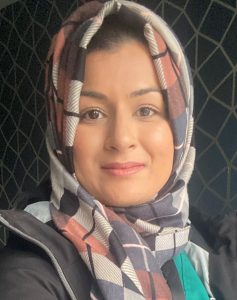
Dr Sadaf Ali
Rare diseases often come with unique challenges, not only for those diagnosed but also for their families, caregivers, and researchers striving to make a difference. As a Patient and Public Involvement and Engagement (PPIE) Contributor for Rare Disease Research UK (RDR UK), my role has been to help bridge the gap between research and the people it impacts most. My work with Alström Syndrome has focused on ensuring that families understand the research process and feel empowered to take part in shaping its future.
What is Alström Syndrome?
Alström Syndrome is an ultra-rare genetic disorder that affects multiple organ systems, including vision, hearing, metabolism, kidneys and the heart. Due to its rarity, research is essential to improve diagnosis, treatment options, and overall care. However, because the condition is so uncommon, researchers rely heavily on patient and family participation to gain meaningful insights.
My Role as a PPIE Contributor
As an avid researcher and advocate for patient and public involvement to drive research, my role as a PPIE Contributor has been to make research accessible, understandable, and engaging for Alström Syndrome patients and their families. Research can often feel overwhelming due to complex terminology and unfamiliar procedures, which is why it is crucial to present information in a way that resonates with those directly affected.
My contributions have included:
- Engaging with familiesto understand their concerns and experiences.
- Encouraging participationin studies that could help to understand the condition better and drive future research.
- To ensure studies remain patient focused.
Why Patient Involvement in Research is Important
When patients and families are involved in research, they help shape studies to be more relevant to their needs. Their input ensures that:
- Research focuses on real-life challenges and priorities.
- Study designs are practical and inclusive.
- Findings are more meaningful and impactful for the community.
By actively participating in research, families not only contribute to potential breakthroughs but also gain a sense of empowerment in their healthcare journey.
Challenges and Successes
One of the challenges in engaging families has been overcoming fear and uncertainty about research participation. Many worry about what involvement means for them and their loved ones. However, by building trust and providing clear, patient-friendly information, we have seen a positive shift. More families are now interested in taking part, understanding that their voices matter in shaping future discoveries. This has been reflected by successful patient enrolment for 2 studies, one looking at efficacy of a medical treatment to help with metabolic complications and other one to help understand the condition better by carrying out in depth assessments and bloods work.
Call to Action
If you or a loved one is affected by Alström Syndrome, I encourage you to get involved in research. Your participation could contribute to life-changing advancements. To learn more, visit RDR UK or connect with Alström Syndrome UK for resources and support. Together, we can make a difference!