
Our Journey with GLO-BNHL: A Collaborative Effort Between Researchers and Patient Advocates
Dave Hulme & Dr Akshay Deshpande
B-cell non-Hodgkin’s lymphoma (B-NHL) is an aggressive form of blood cancer . Current treatment with intensive chemotherapy offers an excellent chance of cure, but this comes at a cost—prolonged hospital stays, significant chemotherapy-related complications, and long-term side effects significantly impacting quality of life.
While most children achieve remission with frontline treatment, outcomes are much worse for those with relapsed (disease that goes away but returns) or refractory disease (disease that does not adequately respond to treatment) with roughly a quarter of these patients in long term survival. Such cases are extremely rare with around 60 patients every year diagnosed with relapsed/ refractory B – NHL across Europe and North America. This highlights the urgent need for newer, more effective therapies that not only improve survival but also reduce the treatment burden.
While newer therapies have significantly changed the treatment landscape for adult lymphomas, their translation into paediatric lymphoma has been slow.
Glo-BNHL
The Glo-BNHL trial is the largest prospective, academically led platform trial worldwide for children and young adults with B-NHL who are refractory to or have relapsed after standard treatment. It addresses the urgent need for a unified, collaborative approach to identify new treatment options for this rare patient population, prioritising and evaluating only the most promising agents. A direct outcome of the second ACCELERATE multi-stakeholder paediatric strategy forum, Glo-BNHL was designed in collaboration with patient advocates, regulatory authorities and industry and aims to generate data that can support future marketing authorisation. The trial will enrol patients in over 45 sites in 18 countries spanning Europe, Asia, North America and Australasia.
A Patient Advocate’s Perspective: Dave Hulme, Alex Hulme foundation
Having become aware of the lack of research into B-NHL in children following the loss of our 12 year-old son, Alex, to the disease in 2011, my wife Nicola and I dedicated ourselves to changing this landscape. Through the charity, we established in his name and we worked closely with Professor Amos Burke and Professor Suzanne Turner to pioneer research that is now integrated into the technical specifications for the GLO-BNHL trial.
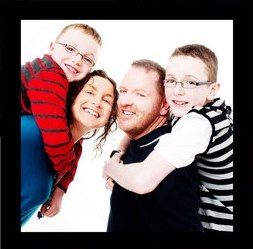
In early 2024, Amos invited us to join an international group of patient advocates, recognizing that our insights into the needs of patients and our commitment to research would be invaluable. Over the past nine months, I have been a member of the Trial Management Group, served on the committee overseeing Treatment Arm IV and participated in the Patient Advisory Group alongside advocates from the US and Europe.
I truly enjoy working with the CRCTU team in Birmingham and providing a non-clinical, patient-centred perspective to help shape the trial. Being a patient advocate within GLO-BNHL is a privilege and I am proud to contribute to the broader Patient and Public Involvement and Engagement (PPIE) strategy.
Early Career Researcher Perspective: Dr. Akshay Deshpande
About me
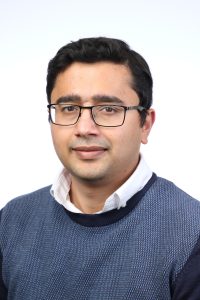
I completed my medical and paediatric training in India and have been working as a haematologist and stem cell transplant doctor in the UK since 2018. My primary interest lies in blood cancers affecting children and young adults, with a focus on innovative therapies including stem cell transplantation. Since May 2024, I have been working as a clinical research fellow at the Cancer Research UK Clinical Trials Unit (CRCTU) at the University of Birmingham focussing on the Glo-BNHL clinical trial.
My role
My role primarily involves developing a new class of agents for paediatric patients with this rare illness. Unlike conventional intensive chemotherapy, this drug can be given entirely in an outpatient setting. This could eliminate the need for prolonged hospital stays, significantly improving quality of life.
Impact of Patient and Public Involvement and Engagement (PPIE)
As an early career researcher, my work has been profoundly influenced by the insights of PPIE representatives who have lost a child to cancer or have navigated the complexities of childhood cancer treatment. They bring unparalleled perspectives into what truly matters beyond survival statistics.
Working closely with Dave Hulme and other PPIE representatives, I realised that quality of life is just as important as treatment efficacy. They highlighted key areas clinicians often overlook such as the impact of frequent hospital visits on family life, psychological burden of prolonged treatment, feasibility of outpatient treatments and need for fewer blood tests and procedures. These insights have directly shaped our protocols ensuring a balance between efficacy and patient experience.
Navigating Challenges Together
Our biggest challenge has been negotiating a treatment protocol for this new drug which satisfies clinicians, regulators, pharmaceutical partners, and PPIE representatives. Dave has been particularly vocal about his frustrations around delayed timelines, strongly advocating for making the treatment available as early as possible to all patients who need it. His strong views on greater chemotherapy tolerance in children compared to adults, the need to increase the frequency of reassessment scans and other patient-centred considerations have been invaluable in finalising our treatment plans.
The Unsung Heroes
A crucial, often overlooked role in this collaboration is that of the PPIE liaison officer. In our case, having a dedicated liaison officer has been invaluable in bridging the gap between researchers and representatives. Their role in translating clinical information, facilitating discussions and ensuring that voices are heard deserves far more recognition and funding.
Teamwork
Setting up and running an innovative clinical trial across vast geographical territories—while coordinating with multiple regulators and numerous pharmaceutical partners—is an immense challenge. Working on this study has been a steep learning curve for me but I have been fortunate to work alongside an incredible team at CRCTU, University of Birmingham.
The support within the team has been unwavering. I am especially grateful to Joe Rogers, our senior trial coordinator, who works closely with me. I appreciate the guidance and inspiration provided by Prof. Burke, Chief investigator for the trial and other senior investigators.
The Future of PPIE in paediatric cancer Research
For paediatric oncology trials, where patient numbers are small and the stakes are high, collaboration with families and patient advocates is essential. As researchers, we must continue fostering this partnership, ensuring that PPIE is embedded in every stage—from study conception to implementation and dissemination. My journey with patient advocates has made me a better researcher, one who listens more and is better able to deliver treatments that truly matter.