Pathfinders Neuromuscular Alliance
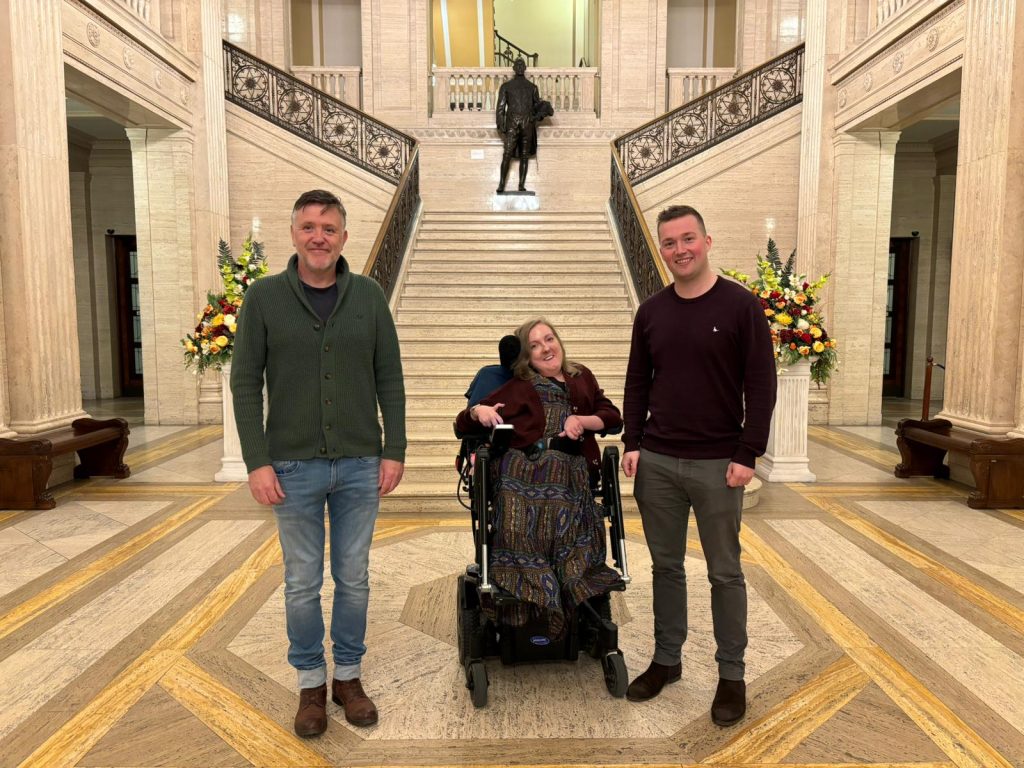
Dr George Peat, Mia Myers & Dr Suzanne Glover
Who Are Pathfinders?
Pathfinders Neuromuscular Alliance is a user-led charity run by and for adults with neuromuscular and/or muscle-weakening conditions. We advocate for better services, greater independence, and research that genuinely reflects our lived experience (in all their diversities). Our goal is simple: to ensure that people with muscle-weakening conditions have direct input in shaping the policies and research that affect their lives.
How Our Partnership Began
Our work started in 2021 with a shared interest in understanding and improving social care for the neuromuscular community. From day one, this was a partnership—combining the expertise of researchers with the lived experience of people who rely on social care every day. We joined forces with lots of other researchers, including Professor David Abbott (pictured) to explore the challenges in social care provision for young adults with neuromuscular conditions and push for meaningful change.
This wasn’t a case of researchers studying people from a distance. Instead, the project was built on co-production, with our community involved at every stage—setting priorities, reviewing research, and co-authoring the final paper.
What Was the Research About?
While medical advances have dramatically improved the lives of people with neuromuscular conditions, social care has struggled to keep up. Many people still face inconsistent, inflexible, and inadequate support which doesn’t meet their needs. Our systematic scoping review looked at existing research on social care, mapping out where the gaps are and where improvements are most needed.
Together, we built a strong evidence base which supports advocacy and our agenda for research. The findings reinforced what we already knew from experience—social care needs to be reformed to reflect the real challenges faced by people with neuromuscular conditions.
Overcoming Barriers in Research
Inclusive research is at the heart of what we do. Too often, traditional research methods create barriers for disabled participants—whether through inaccessible meetings, academic jargon, or rigid structures that don’t accommodate different needs. We wanted to do things differently.
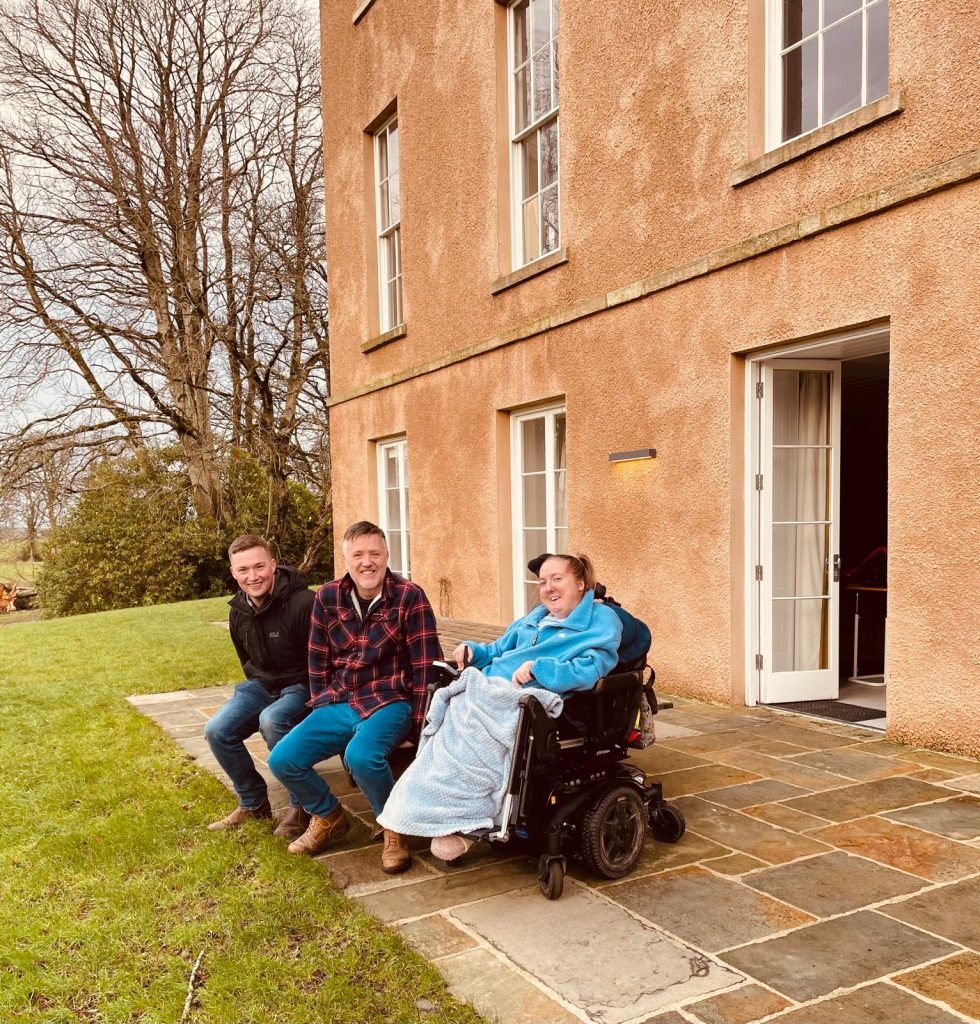
We made sure that participation was flexible and accessible. Meetings were scheduled to suit everyone’s energy levels, technical processes were explained in plain language, and each person was supported to contribute in their own way. George played a key role in making sure that everyone had a voice, strengthening not just the research itself, but the way research should be conducted in the future.
What’s Next?
This research isn’t just sitting in a report—it’s already shaping the future. One of the biggest outcomes has been the development of a new research proposal, submitted to the NIHR Three Schools’ Prevention Programme. This builds on our findings and moves beyond identifying problems to actively creating solutions. Just as importantly, young people from this project are continuing as collaborators, ensuring that lived experience remains at the core of future research.
Looking ahead, we hope this work will inspire more user-led research and shift the way social care is approached. The ultimate aim? A system that actually works for the neuromuscular community, rather than forcing people to fit into outdated models of care.
Final Thoughts
Dr. George Peat’s recognition in the Rare Disease Research UK Awards isn’t just about his work—it’s about the power of co-produced research and the impact of real collaboration. His commitment to working alongside our community has already made a lasting difference, and we’re excited to see where this work takes us next.