Your guide to the rare disease research ecosystem in the UK
There are many different groups, organisations and individuals all involved in rare disease research in the UK. Each has their own contribution to make and have their own interactions with others within the ecosystem. In addition, there are various systems and processes in place that those involved in rare disease research must understand and navigate.
Rare Disease Research UK (RDR UK)and LifeArc are working together to develop a guide for the rare disease community to aid understanding and provide a “one-stop shop” for information on the ecosystem.
What are the aims?
Develop a “one-stop shop” for information about the rare disease research eco-system.
Complement existing resources, and signpost to relevant programmes and initiatives.
Build a directory detailing:
Who makes up the UK’s rare disease research ecosystem today
Their roles and responsibilities
How they interact
How to engage
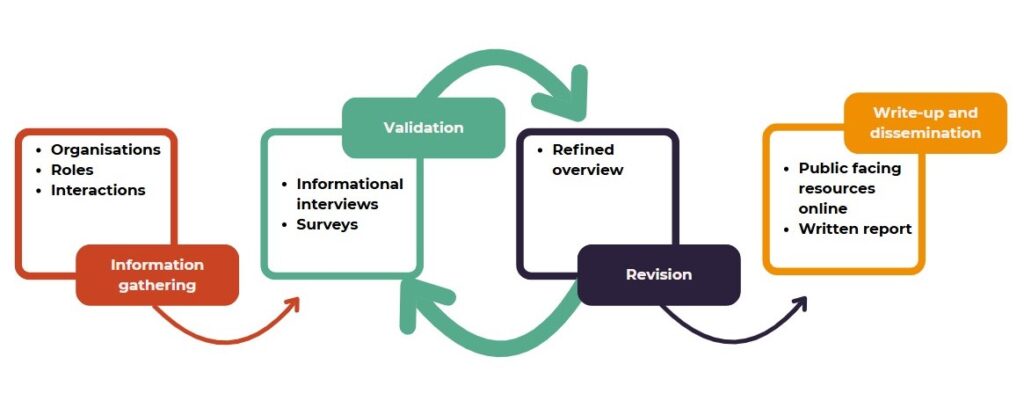
How will this work?
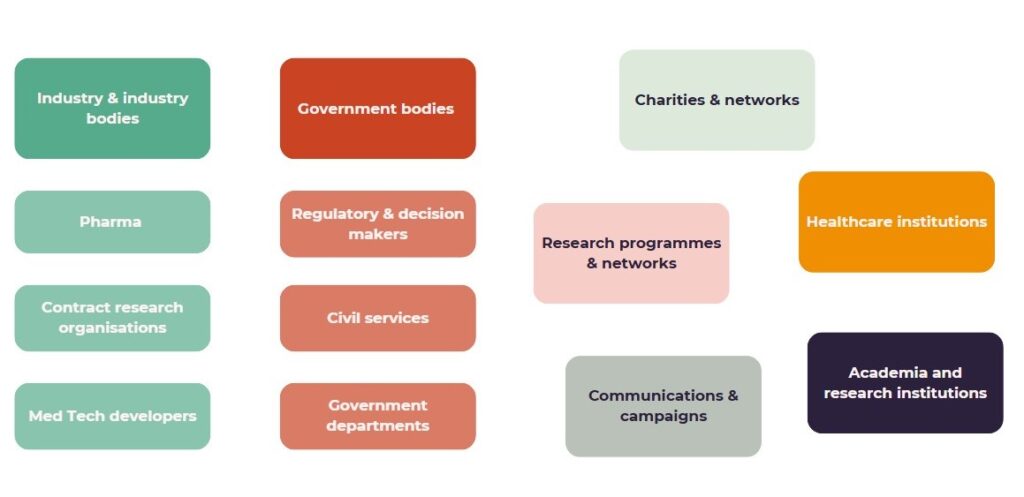
Who?
The list of those involved in rare disease research is long and varied. Our initial research shows that organisations will fit into one of these groups. We will identify the organisations belonging to these groups, explore their roles and uncover how they interact and engage with others in the rare disease research ecosystem.
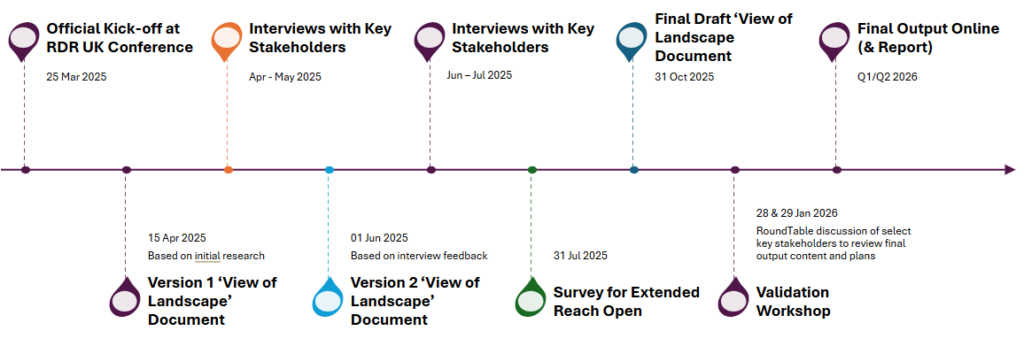
Timeline
How to get involved?
We would very much like to hear from people living with a rare condition and their families and carers, researchers, policy makers, and all rare advocates out there!
LifeArc is a not-for-profit medical research organisation that turns promising scientific research into impact for people living with rare diseases and Global Health infections.
They form partnerships and provide scientific expertise and funding to help break down the barriers preventing scientific breakthroughs from becoming life-transforming treatments and cures. They have been doing this for more than 30 years and their work has resulted in five licensed medicines, including cancer drug pembrolizumab and lecanemab for Alzheimer’s disease.
Their goal is a world where no one with a rare disease or a global infectious disease misses out on life-changing innovation because of complexity, cost or risk.